
Canada’s oceans are ready to power the next phase of our economy
Canada’s electricity demand is already skyrocketing.
As we electrify transportation, heat buildings, expand industrial production and scale clean fuels, demand is expected to double – and possibly triple – by 2050. At the same time, we have committed to a net-zero electricity system.
That is not a marginal adjustment. It is a structural transformation.
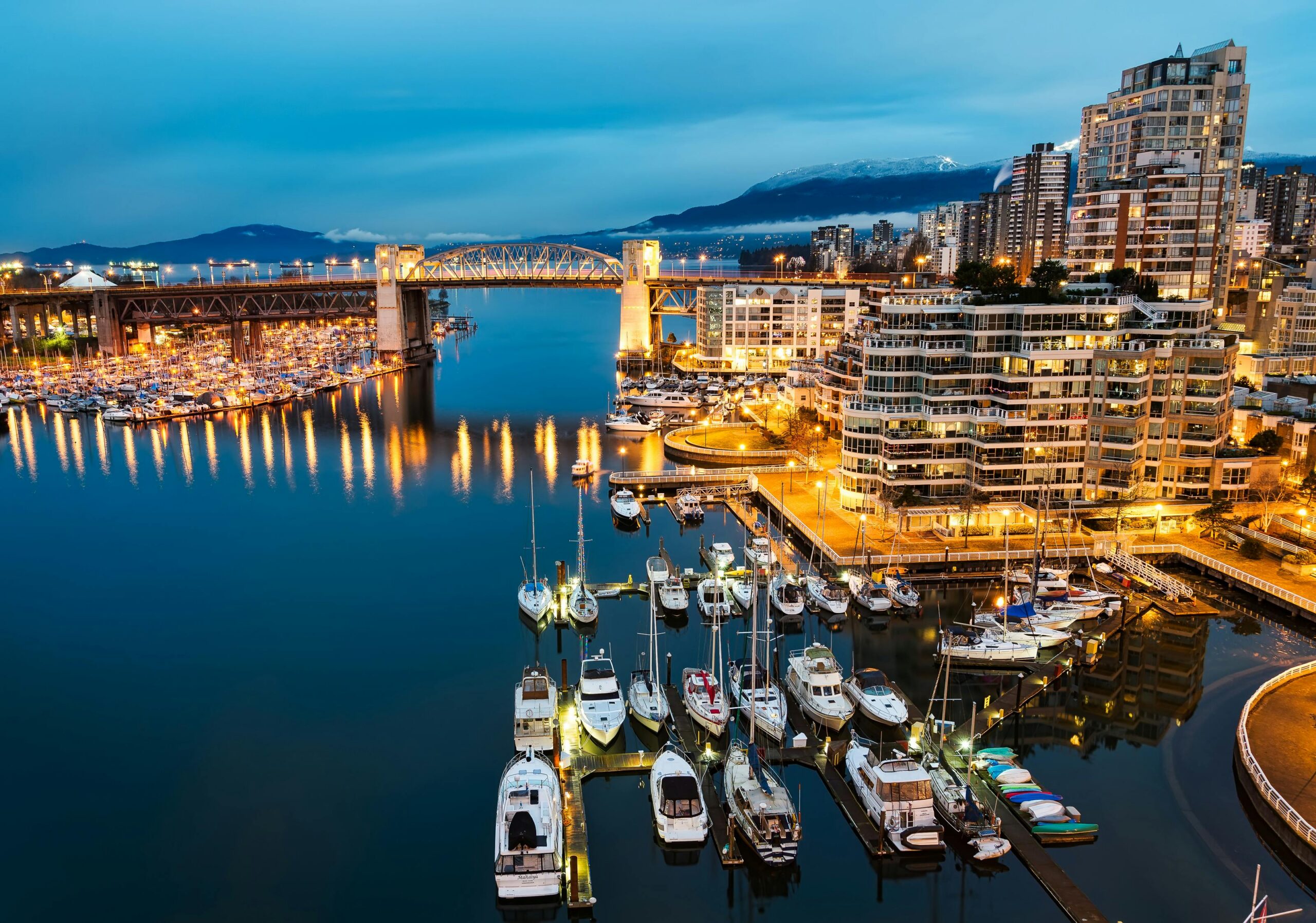
Image: Vancouver, Canada
Hydropower, nuclear, onshore wind, and solar will remain foundational. But they will not be enough on their own to meet the scale and speed of demand growth ahead – especially while maintaining reliability, affordability and energy security.
Canada needs to widen its lens.
One of the most underutilized pieces of our energy portfolio lies just offshore.
Canada has some of the strongest tidal currents and most consistent offshore wind resources in the world. Our coastlines stretch across three oceans. Our marine industries are experienced and globally competitive. Our ports, shipyards, engineers and skilled trades are ready to build.
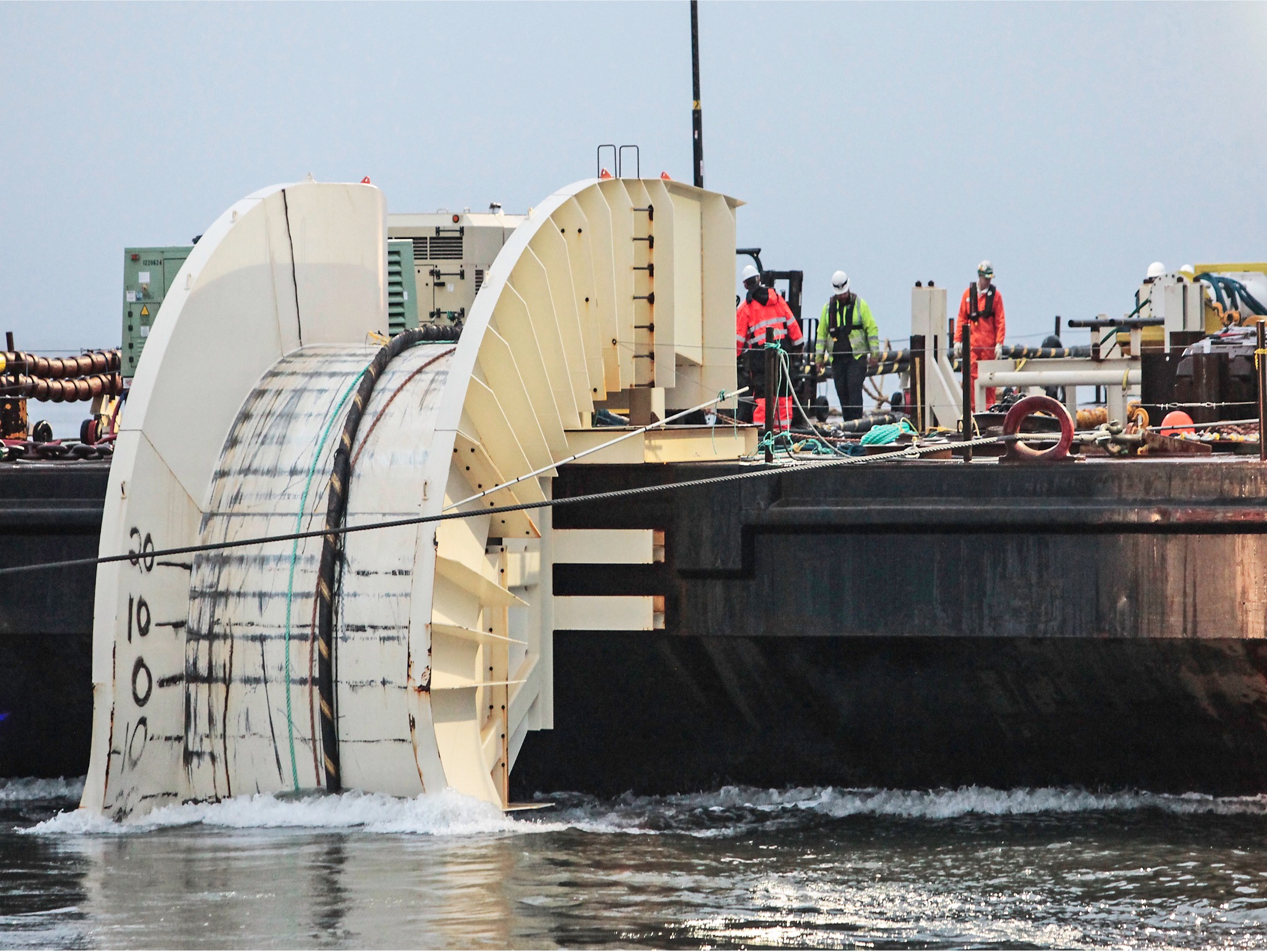
Image: Cable Reel – Tidal Energy
What we have lacked is a clear national commitment to deploy marine renewable energy at scale.
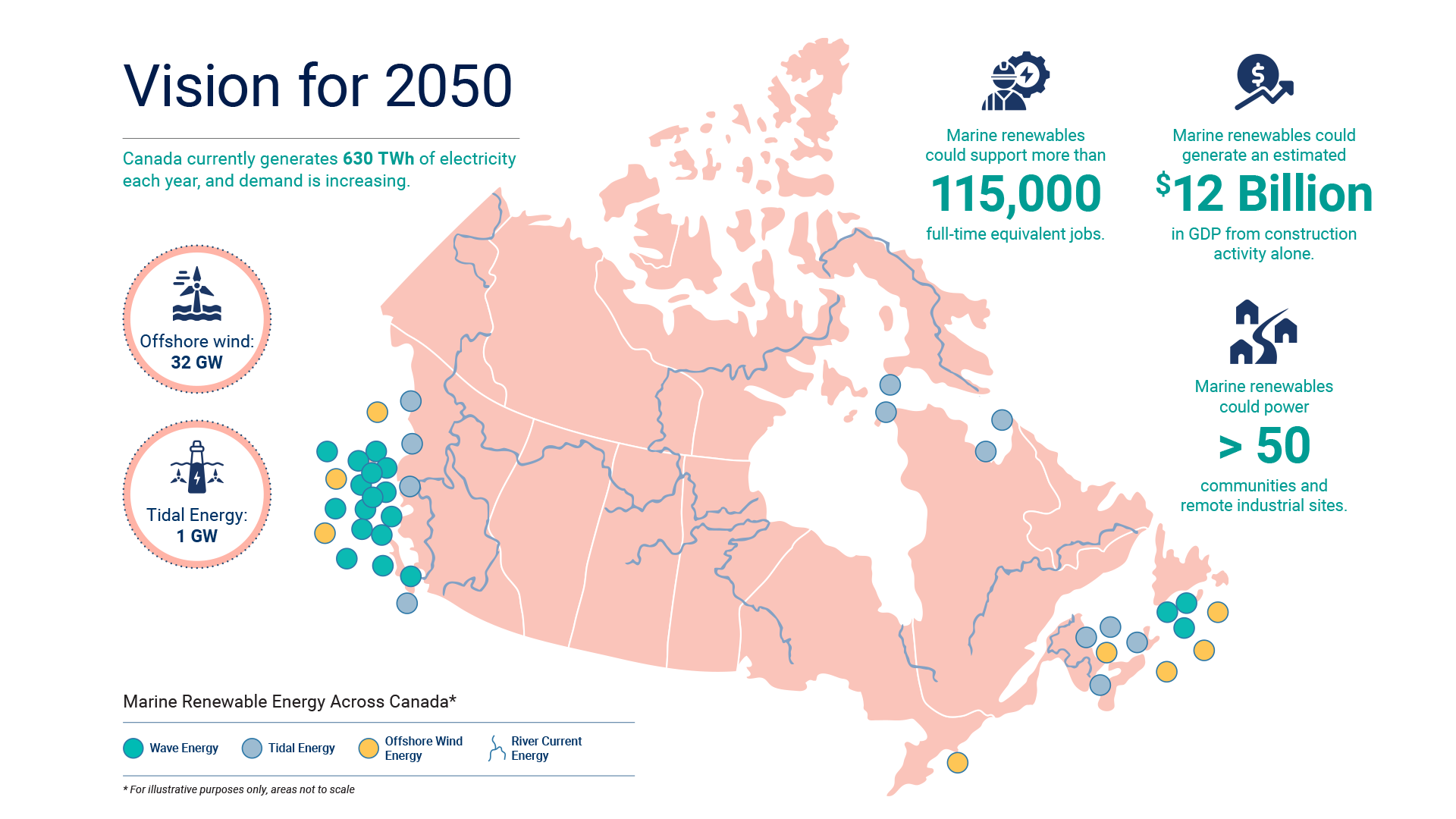
Marine Renewables Canada’s recent Sector Vision 2050 lays out what is possible if we move decisively: a $12-billion domestic industry with construction alone, more than 115,000 jobs created across the country, and clean electricity delivered to homes, industry and remote communities.
This is not speculative modelling built on distant technology. Offshore wind is already being deployed globally at scale. Tidal energy has proven its performance in Canadian waters. Projects are advancing. Supply chains are forming. Indigenous communities are leading and investing. International capital is looking for bankable opportunities.
In short, the sector is ready.
What it requires now is long-term policy certainty.
Around the world, jurisdictions that have moved first have done so with deliberate procurement frameworks, clear long-term targets and revenue mechanisms that unlock private investment. Those signals have catalyzed billions of dollars in capital and anchored domestic supply chains.
Canada does not need to reinvent the wheel. It needs to send a clear signal.
Co-ordinated transmission planning. Defined offshore wind procurement targets. Predictable revenue support mechanisms. Efficient, timely regulatory processes.
With those elements in place, private capital will flow and projects will move forward. The economic case is strong.
Global clean energy investment surpassed US$2-trillion last year and continues to grow. Countries that provide investment certainty are attracting manufacturing, fabrication, vessel construction and long-term operations jobs. Canada’s marine and heavy industries – from Atlantic shipyards to steel and concrete suppliers across the country – stand to benefit.
This is not simply about building turbines offshore. It is about anchoring a new industrial supply chain in Canada.
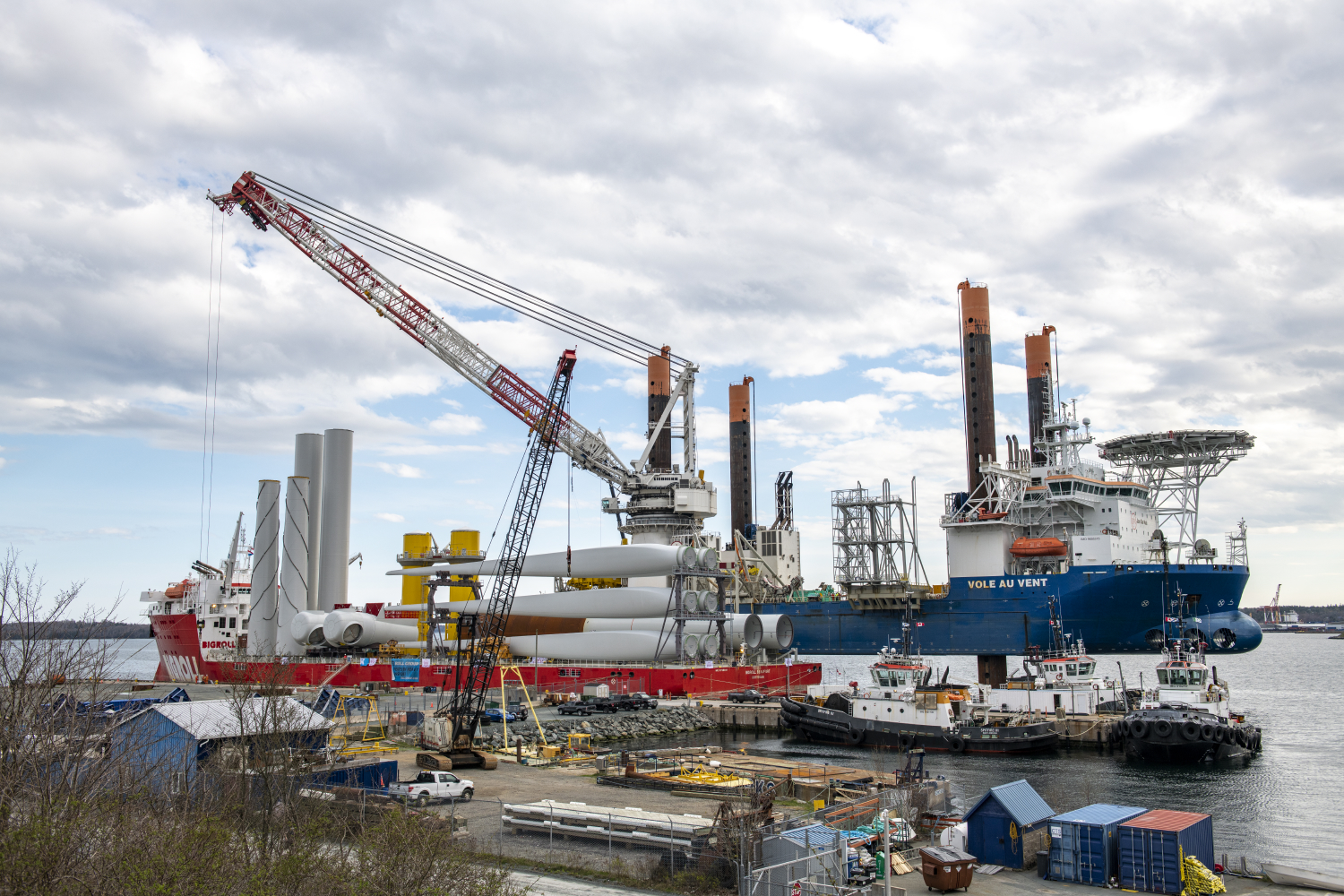
Image: Port of Halifax
It is also about energy security and sovereignty.
Recent grid failures in Texas and prolonged blackouts in Cuba have shown how fragile energy systems can be when supply is constrained or overly centralized. Climate-driven extreme weather is placing additional stress on infrastructure everywhere, including here at home. This winter in Atlantic Canada, extreme cold put significant pressure on regional electricity systems. Interprovincial transmission played a critical role in maintaining reliability – with power flowing from Nova Scotia to keep homes heated and the lights on in Newfoundland and Labrador.
Marine renewable energy adds geographic and technological diversity to Canada’s electricity mix. Offshore wind and tidal generation can provide large-scale, predictable clean power close to coastal demand centres. They can support clean fuel production and power new industrial projects. They can strengthen regional grids.
Across more than 280 remote communities in Canada – many of them Indigenous and diesel-dependent – marine renewable energy may offer a critical opportunity in regions where suitable resources are available. Diesel is expensive to transport, volatile in price and emissions-intensive. Replacing it with locally available renewable energy improves energy security, reduces long-term costs and keeps more economic value in communities. Marine projects can also create Indigenous equity and partnership opportunities, building long-term local wealth.

Image: Remote Coastal Community
These are practical outcomes, not abstract ambitions.
Canada has successfully built energy industries before. Hydropower, nuclear and oil and gas did not emerge organically. They were developed through clear policy frameworks that provided certainty to investors and industry.
Marine renewables require the same clarity and long-term support.
Our Sector Vision 2050 is not a wish list. It is an industry-led roadmap grounded in technical expertise, market analysis and real project experience. It outlines how Canada can responsibly deploy marine renewable energy, create jobs, displace diesel, attract investment and strengthen energy security.
The resources are abundant. The expertise is here. The investment capital is waiting.
With the right government support, deployment can begin at scale.
Canada often speaks about becoming an energy superpower. The path to that future runs not only across our land – but across our waters.
The question is whether we are prepared to act.