
In the Community
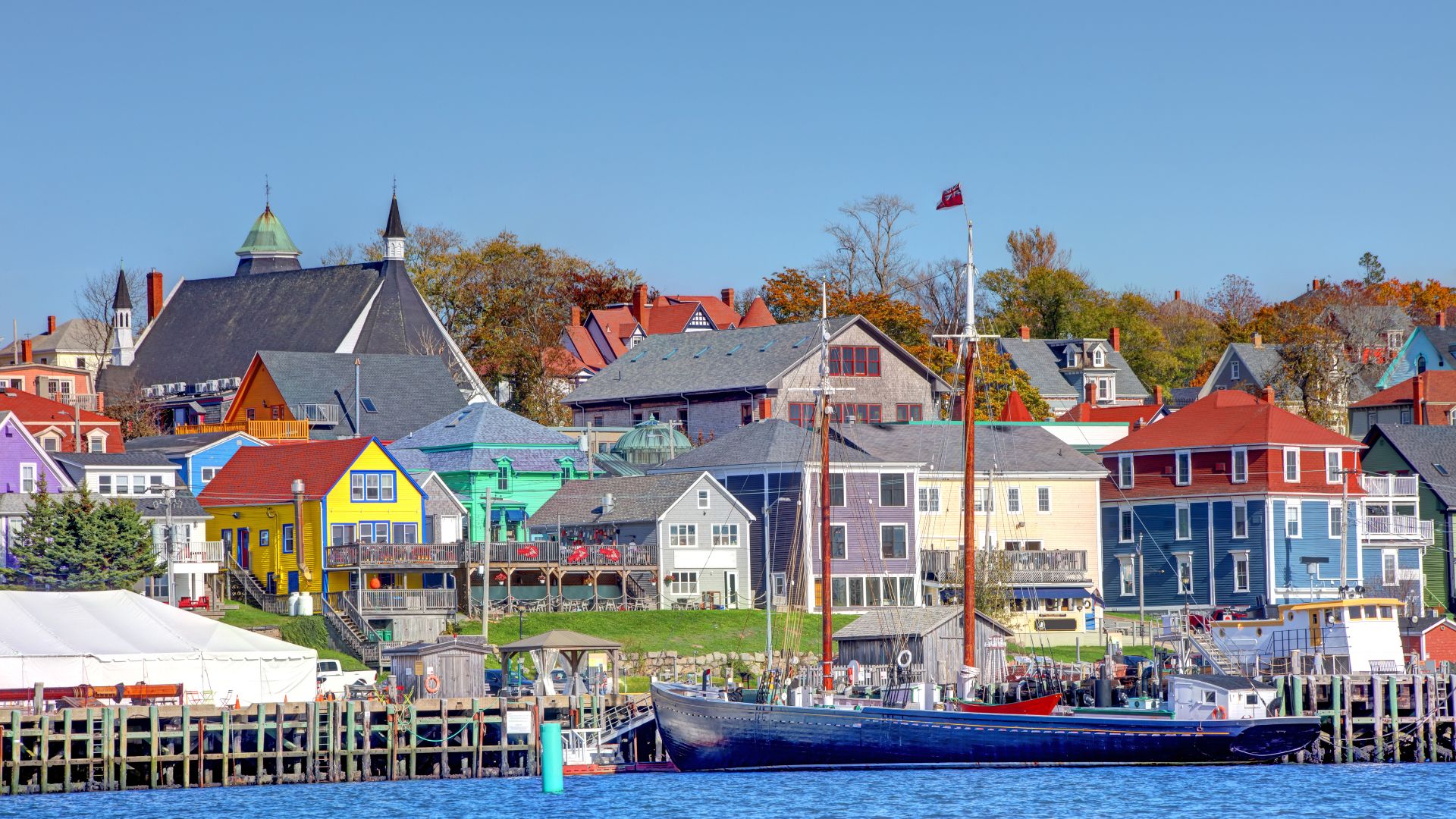
Image: Lunenburg, Nova Scotia
Canada’s oceans are busier than ever – moving goods between countries, providing food and jobs, and supporting new opportunities for clean, renewable energy. With the longest coastline in the world, Canada is deeply connected to the sea: nearly one in six Canadians lives within 10 kilometres of the shoreline (Statistics Canada).
For many coastal and Indigenous communities, the ocean is more than a place of work. It shapes culture, traditions, stories, and identity. Decisions about how the ocean is used therefore carry social, cultural, environmental, and economic significance.
Marine renewable energy is an emerging part of Canada’s ocean identity. Around the world, coastal communities have shown that when these projects are carefully planned – guided by research, shaped through collaboration, and grounded in strong partnerships – they can coexist with fishing, recreation, shipping, and other ocean uses. Each technology offers different benefits and plays a distinct role in supporting local jobs, clean energy, and healthy marine ecosystems.
A successful path forward is built on shared principles: respect for Indigenous rights and knowledge, early and meaningful community engagement, transparent data and monitoring, and adaptive management that responds to new information. Shared infrastructure, skills training, and local supply chains help communities capture economic benefits, while robust environmental study and monitoring build confidence that people and marine life will be protected.
When approached thoughtfully, marine renewable energy can deliver multiple benefits without forcing trade-offs. It can add new jobs, fund better marine science, and create stronger communities. By working together, government, industry, fishers, coastal communities, and Indigenous Nations, Canada can build a future where people, places, and marine renewable energy support one another.
Who is “the Community” in Canada?
Canada’s oceans are shared spaces that support many activities and livelihoods, including:
| Indigenous harvesting
Indigenous Peoples have harvested marine resources for food, social, ceremonial, and economic purposes since time immemorial. |
Recreational fisheries
Residents and visitors harvest finfish and shellfish for personal use. |
| Commercial fishing
The harvest of wild fish for domestic and international markets. |
Aquaculture
The farming of finfish, shellfish, and aquatic plants. |
| Seafood processing
The preparation of wild or farmed seafood for sale in Canada and abroad. |
Shipping and transportation
Vessels transporting people and goods between destinations. |
| Recreation and tourism
Cruise tourism, recreational boating, paddling, water sports, whale watching, and guided fishing experiences. |
Research and monitoring
Scientific study of marine ecosystems and human activities to inform decision-making. |
| Infrastructure and construction
Ports, channels, underwater cables, dumping zones and other marine infrastructure. |
Defence
Areas used for military exercises and waste disposal. |
| Energy
Marine renewable energy and offshore fossil fuel production. |
Offshore Wind Energy
Offshore wind can be part of a balanced ocean mosaic. Thoughtful site selection and clearly defined navigation corridors help minimize interactions with fishing activities and marine transportation. In some cases, turbine foundations can also create new habitat, potentially benefiting certain species – including marine mammals, groundfish, and bottom-dwelling species such as lobster.
By investing in local ports, workforce training, and regional supply chains, offshore wind can support jobs and services that strengthen coastal economies. Most importantly, early and ongoing engagement – especially with Indigenous communities and fishers – helps ensure that turbine placement and operations reflect local knowledge, priorities, and lived experience.
Tidal Energy
Tidal energy is well suited to locations with strong currents and narrow channels. Because tidal devices are typically smaller and modular, they can be carefully sited to avoid key fishing grounds and sensitive habitats, and scaled to meet local or regional energy needs.
In the Bay of Fundy, more than 300 Canadian companies are already involved in advancing future utility-scale tidal development. The Fundy Ocean Research Centre for Energy (FORCE) works closely with Mi’kmaw communities and leaders to integrate Mi’kmaw values and ecological knowledge into project planning, helping ensure tidal development is responsible, transparent, and community informed.
Many remote and Indigenous communities currently rely on diesel for electricity. Tidal energy offers a potential pathway to replace diesel with clean, predictable power while building local skills and employment. Community-scale tidal projects can support local energy planning and management, and ownership or revenue-sharing models can help ensure benefits remain within the community.
Recent Indigenous-led microgrid projects — such as the Xeni Gwet’in Nation’s solar-battery system in Nemiah Valley and the Ulkatcho First Nation’s renewable microgrid in Anahim Lake — demonstrate how community-owned clean energy can improve reliability and reduce diesel dependence. Similar approaches could be applied to tidal energy in coastal communities, supporting long-term energy sovereignty.
Wave and River Current Energy
Wave and river current energy technologies are especially well suited to local and community-scale applications. Nearshore wave devices can be carefully sited to minimize impacts on shipping, fishing, and recreation, while providing clean power to coastal communities and aquaculture operations. Research in British Columbia has shown that wave energy systems can operate safely near working harbours and populated coastlines.
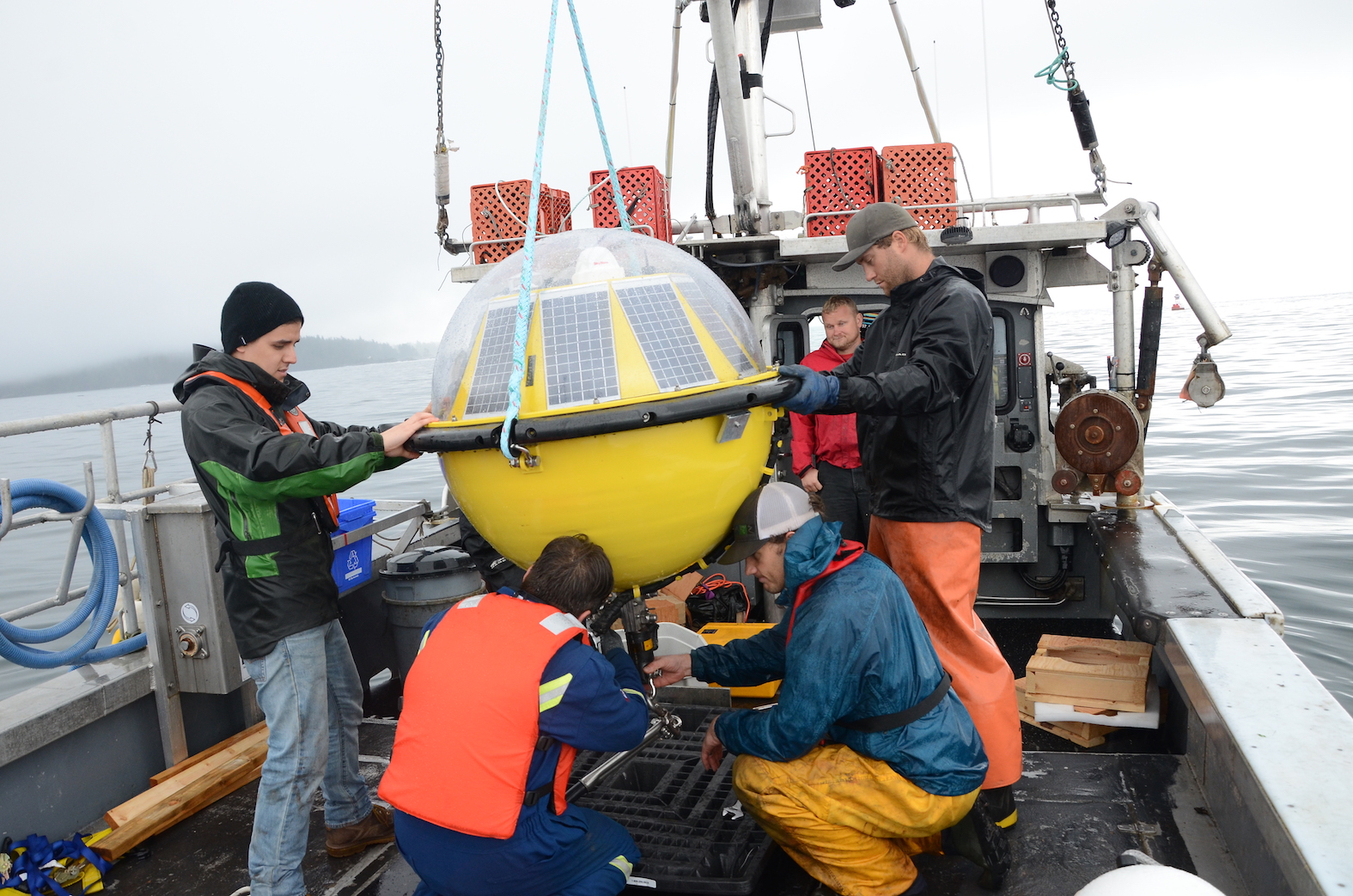
Pacific Regional Institute for Marine Energy Discovery (PRIMED) wave energy research for Mowachaht/Muchalaht First Nation (MMFN), British Columbia (2021)
River current turbines and canal-integrated systems can often be installed using existing infrastructure, helping reduce construction impacts and costs. These technologies offer another pathway to replace diesel generation in small and remote communities, delivering clean, reliable power while creating local jobs and minimizing disruption to existing river and ocean uses.
One example is the Yuquot Wave Energy Project, which is exploring how wave energy could support a local microgrid and help enable the Mowachaht-Muchalaht First Nation’s return to their traditional territory.
Addressing Impacts and Compensation
Marine renewable energy projects are planned to avoid and minimize impacts on fishing and other ocean users wherever possible. When impacts cannot be fully avoided, a range of mitigation, accommodation, and compensation approaches may be used, informed by regulatory requirements, engagement outcomes, and best practices from Canada and other jurisdictions.
These approaches can include measures such as project design changes, shared-use agreements, alternative livelihood opportunities, community benefit arrangements, and – where appropriate – financial compensation for demonstrated losses. Clear processes, transparency, and early engagement are critical to ensuring that these measures are fair, timely, and responsive to community needs.
To learn more about how the fishing industry is engaged in decision-making and potential impacts are considered visit: