
Why Marine Renewable Energy?
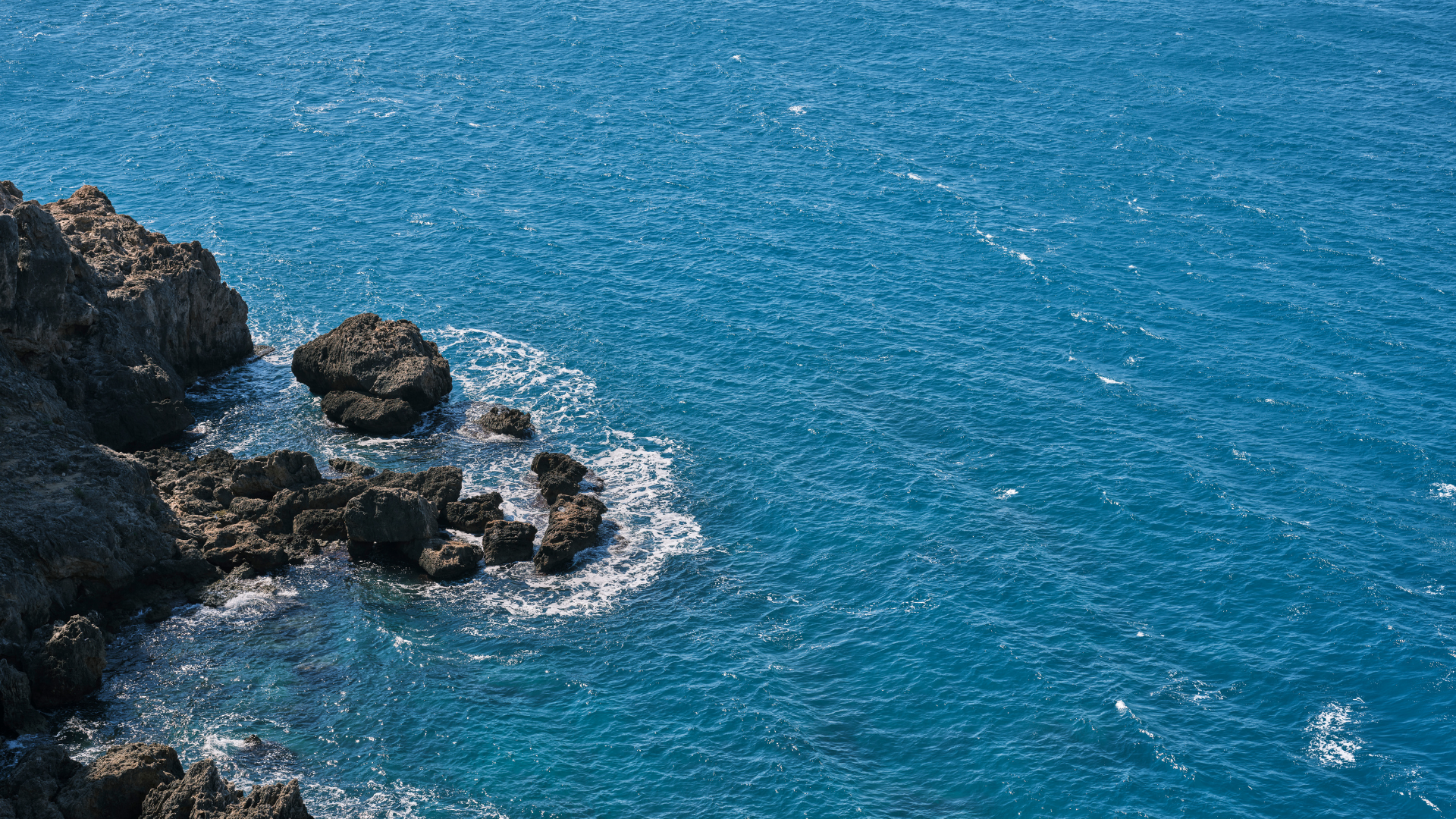
Most of our planet is covered in moving water – and all that movement contains energy.
Oceans, tides, rivers, and offshore winds are constantly in motion. With the right technology, this natural power can be converted into clean, reliable electricity.
Around the world, countries are already using marine renewable energy to power homes, industries, and growing economies. Canada is part of that global momentum. With the longest coastlines in the world and some of the strongest tides and offshore winds on the planet, Canada is uniquely positioned to lead in marine renewable energy development.
Main Marine Renewable Energy Sources
In Canada, marine renewable energy comes primarily from four powerful and proven sources.
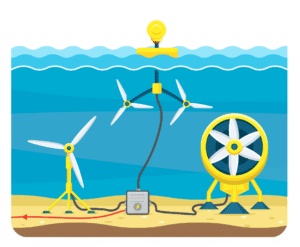
Tidal energy: powerful and predictable. Tides are driven by the gravitational pull of the moon and sun, along with the Earth’s rotation. Because these forces are so well understood, tidal energy can be predicted years in advance. Tidal technologies – often compared to underwater windmills – generate electricity by harnessing the natural ebb and flow of the tides.
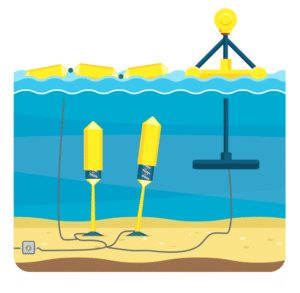
Wave energy: turning wind into water power. When wind moves across the surface of the ocean, it creates waves. Wave energy technologies capture that motion – either from surface movement or pressure changes beneath the water to generate electricity.
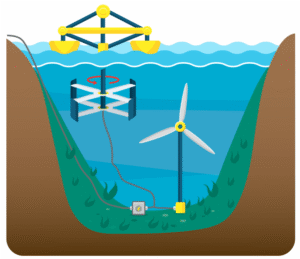
River current (hydrokinetic) energy: always flowing. Rivers are constantly moving downstream, creating steady, continuous energy. Like tidal power, river current energy depends on the volume and speed of flowing water. In some cases, river devices can be installed on existing bridges or infrastructure, helping reduce costs while delivering clean power close to where it’s needed.
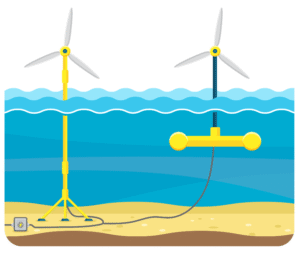
Offshore wind: strong and steady. Offshore wind turbines take advantage of stronger and more consistent winds over the ocean. Compared to onshore wind, offshore wind is often easier to forecast – sometimes days in advance – making it a highly reliable source of clean electricity.
The Benefits
Marine renewable energy offers Canada a strategic opportunity to advance decarbonization, strengthen energy security, and generate long-term economic value.
As electricity demand grows and the energy system transitions toward net zero, marine renewables can supply reliable, predictable, and regionally distributed clean power that complements other renewable sources.
Supporting net-zero goals across industries
Canada’s energy-intensive sectors – including transportation, offshore oil and gas, and heavy manufacturing – need dependable clean electricity to decarbonize. Marine renewable energy can meet this demand. Offshore wind can electrify offshore oil and gas operations, reducing operational emissions, while marine renewables can also support green hydrogen production for hard-to-abate sectors such as steelmaking, marine shipping, and heavy transport. Together, these applications position marine renewable energy as a practical tool for industrial decarbonization and achieving Canada’s net-zero commitments.
Driving economic growth and job creation
Marine renewable energy development supports long-term, high-value employment across Canada’s regions and supply chains. Projects create near-term jobs in manufacturing, fabrication, transportation, and construction, followed by decades of skilled work in operations and maintenance. Growth in tidal and offshore wind development strengthens demand for Canadian steel and aluminum, revitalizes ports and shipyards, and supports economic renewal in coastal and industrial communities. Because projects are regionally anchored, marine renewables generate durable local benefits and long-term economic resilience.
Supporting Canada’s electrification needs
Achieving Canada’s 2050 net-zero targets will require at least twice as much clean electricity as is produced today. Marine renewable energy can help meet this demand while complementing onshore wind and solar. Offshore wind’s high-capacity factors and tidal energy’s highly predictable output allow marine renewables to deliver power during evening peaks and periods of low solar or wind generation. Their energy density and reliability can reduce pressure on storage, transmission, and grid overbuild in a zero-emissions system.
Enhancing resilience for remote, coastal, and Indigenous communities
Most of Canada’s 280+ remote and coastal communities rely on costly fossil fuels for electricity generation – mainly diesel and propane. Marine renewable energy – where local resources permit – can improve energy security, reduce costs, and lower emissions. Hybrid systems that combine tidal, river current, wave, wind, solar, and battery storage can significantly reduce or replace diesel generation while improving reliability and local control. Indigenous Nations are increasingly leading these projects as owners and partners, strengthening energy sovereignty, creating skilled employment, and embedding stewardship principles into project design and long-term operations.
Strengthening Canada’s offshore and marine supply chain
Marine renewable energy builds on Canada’s existing strengths in offshore, marine, and ocean industries. Companies with experience in offshore oil and gas, naval construction, and marine services bring transferable expertise in fabrication, subsea engineering, logistics, and operations. Offshore wind’s long operating life creates sustained demand for technicians, maritime trades, and port services well beyond construction. As offshore wind activity grows along the North American east coast, Canadian ports and suppliers are well positioned to serve both domestic and international markets.
Enabling co-location and blue-economy synergies
Marine renewable energy can unlock broader blue-economy opportunities by sharing ocean space and infrastructure with other marine industries. International projects have demonstrated successful co-location of offshore wind with aquaculture and seaweed cultivation, maximizing economic and environmental value from shared ocean use. Similar approaches in Canada could support sustainable ocean development, diversify coastal economies, and ensure marine renewable energy contributes to a productive, integrated, and environmentally responsible marine economy.
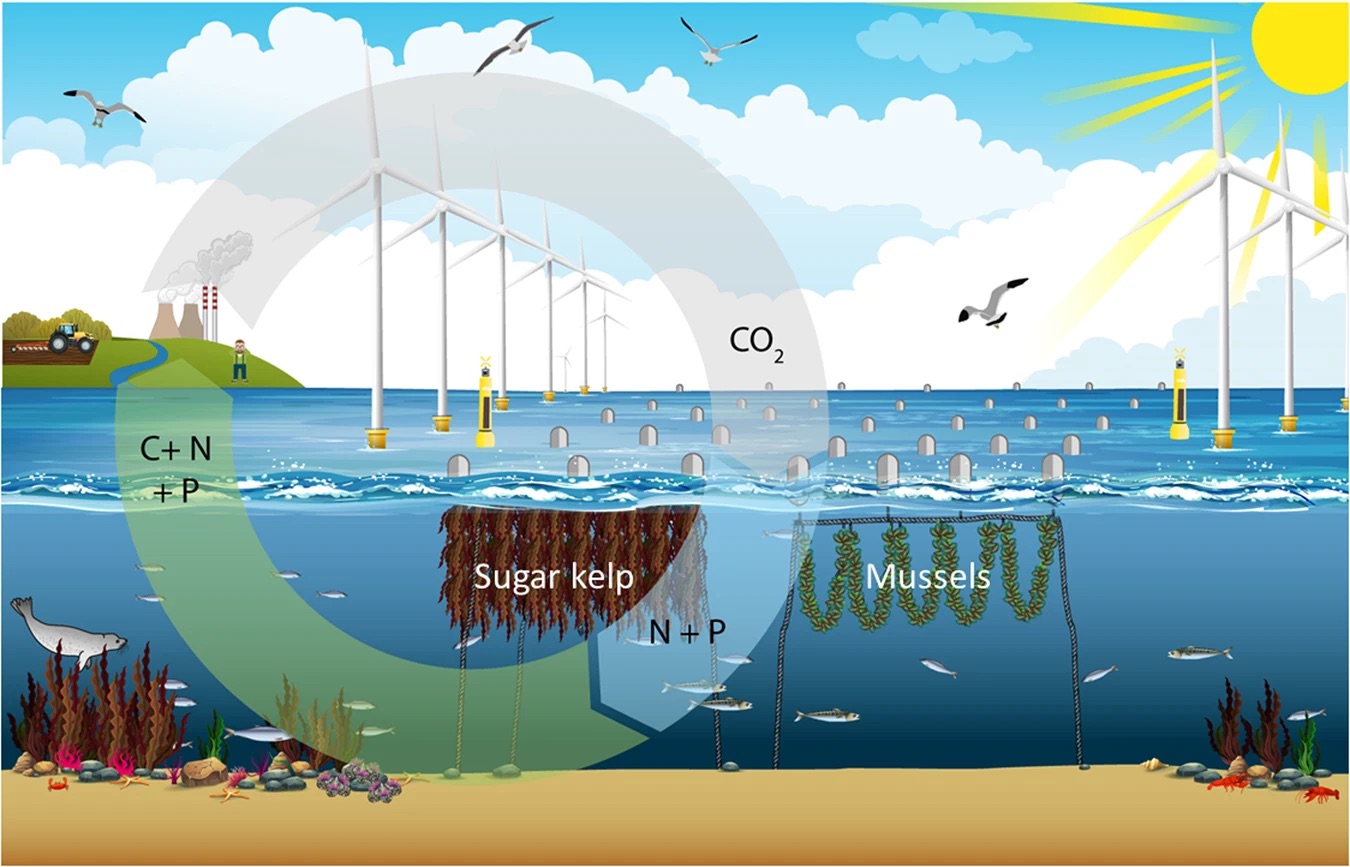 Conceptual figure of multi-use combining offshore wind farms with low trophic aquaculture. Source: https://www.nature.com/articles/s43247-023-01116-6/figures/1
The Challenges
Operating in harsh marine environments
Marine renewable energy projects operate in some of the most demanding conditions on Earth. High-flow waters, strong winds, and exposed offshore locations require specialized vessels, heavy equipment, subsea cables, and precise installation techniques. Project teams must also work within narrow weather and tidal windows, often navigating strong currents, limited visibility, and seasonal constraints. These factors can increase costs – particularly as technologies and deployment approaches continue to be tested, refined, and scaled.
Understanding environmental interactions
Global research to date is encouraging. After more than a decade of marine renewable energy deployment worldwide, no significant environmental impacts have been identified. Ongoing monitoring and research continue to build confidence in how these technologies interact with marine ecosystems.
At the same time, public trust is essential. Clear, transparent evidence is needed to demonstrate that marine renewable energy projects are safe and compatible with healthy oceans. As experience from the wind sector has shown, building this confidence takes time, data, and continued engagement.
Building enabling infrastructure
The strongest marine renewable energy resources are often found in high-energy locations with limited existing infrastructure. Ports, grid connections, vessels, and maintenance facilities are not always in place where they are needed most.
Targeted investment in enabling infrastructure will be essential to reduce costs, improve efficiency, and support timely deployment and long-term operations. Building this foundation will make it easier and more affordable to install, operate, and maintain marine renewable energy projects at scale.
Regulatory uncertainties
Marine renewable energy projects often face complex and evolving regulatory processes, particularly where new technologies intersect with marine, environmental, and energy frameworks that were not designed with these systems in mind. Lengthy approval timelines, overlapping jurisdictions, and unclear pathways to permitting can increase risk and delay investment.
Clear, coordinated, and predictable regulatory processes – developed in partnership with Indigenous Nations, communities, and industry – will be critical to enabling responsible development while maintaining strong environmental and social safeguards.